line+NEWS
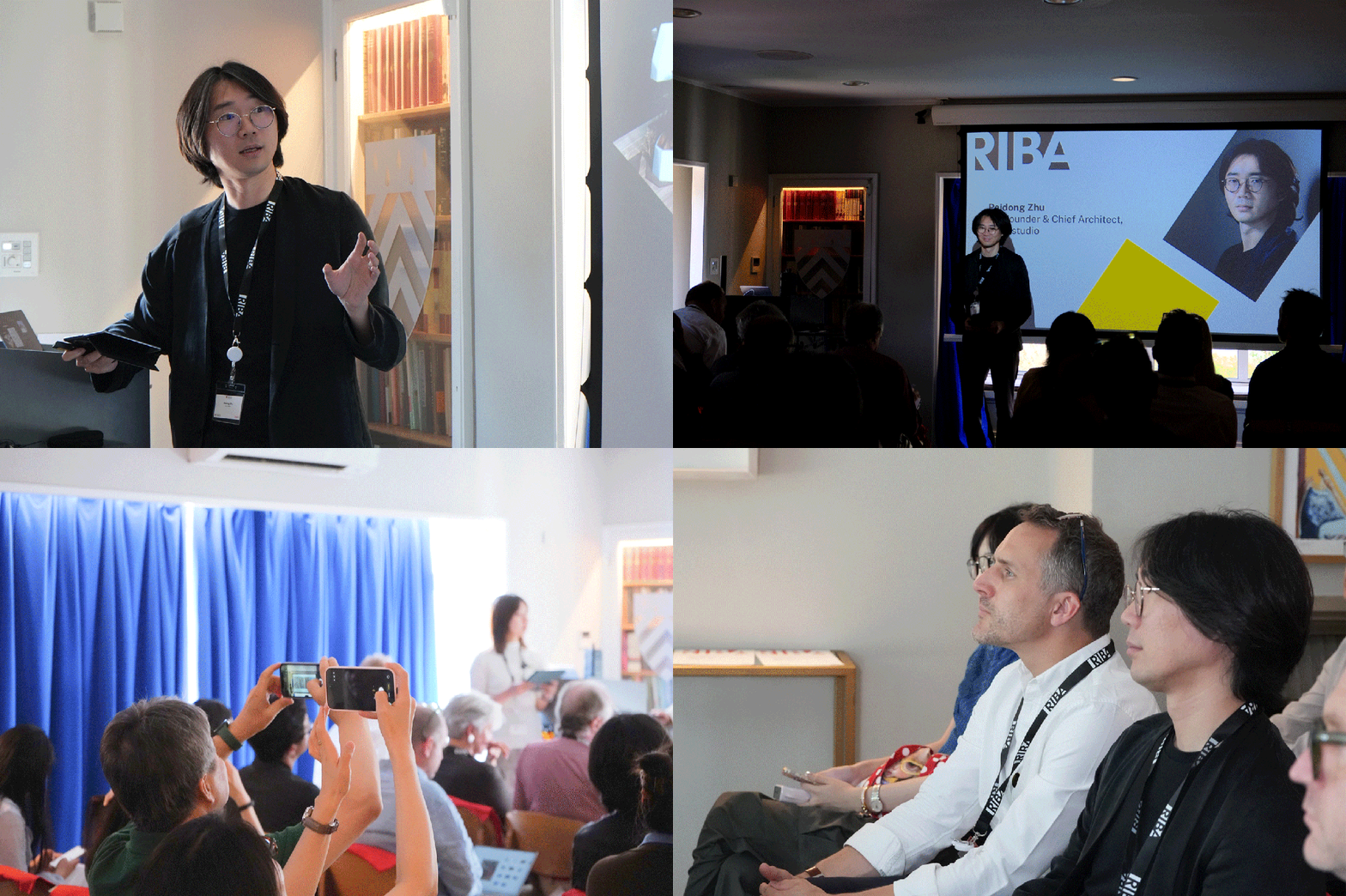
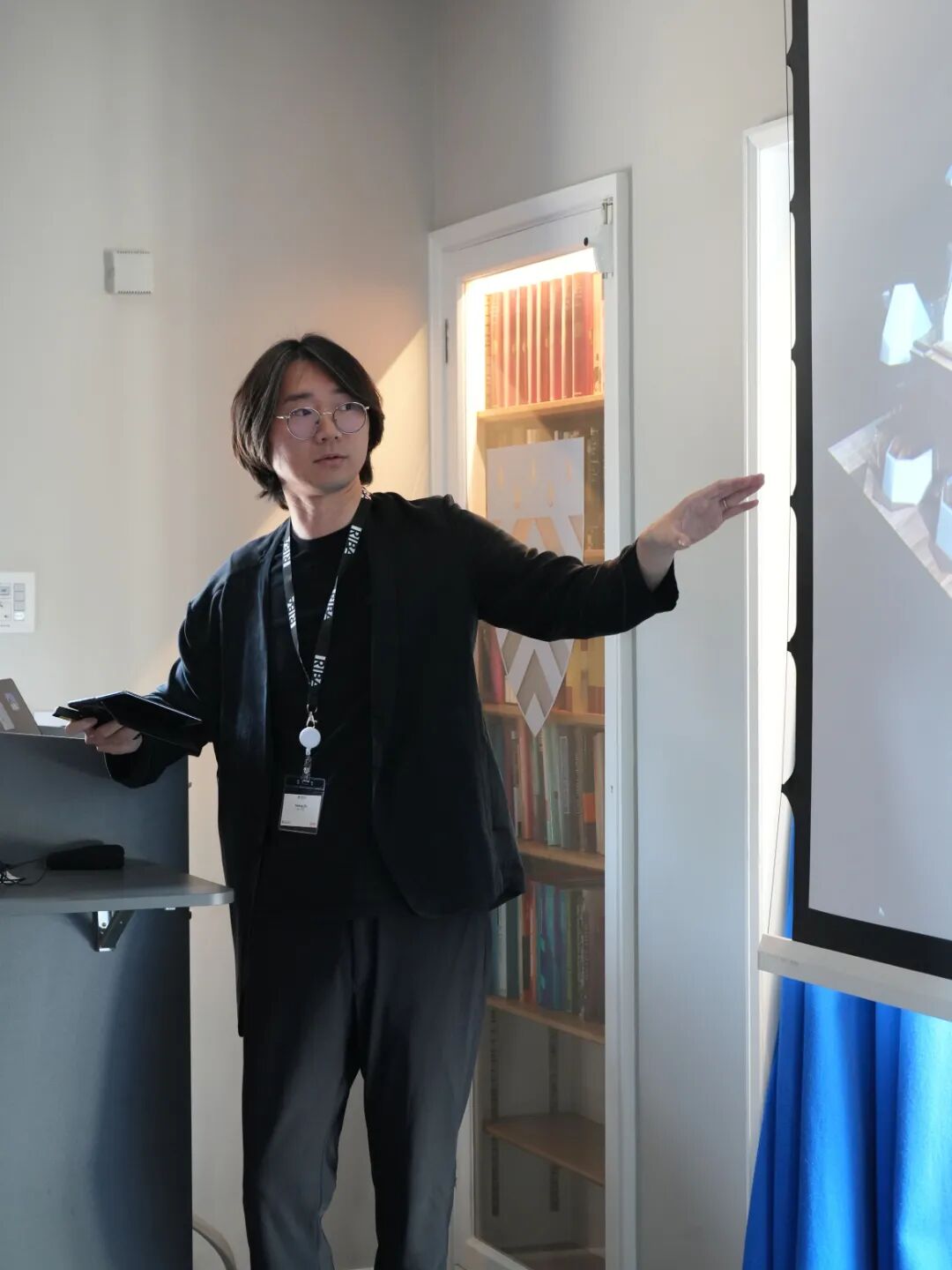
On 17 July 2026, Peidong Zhu, Co-Founder and Chief Architect of line+ studio, was invited to attend the RIBA UK–China Forum – Cambridge, held at Clare Hall, University of Cambridge. The event was jointly organised by the Royal Institute of British Architects (RIBA), the Cambridge Association of Architects, and Clare Hall, University of Cambridge. Zhu delivered a lecture and participated in a panel discussion.
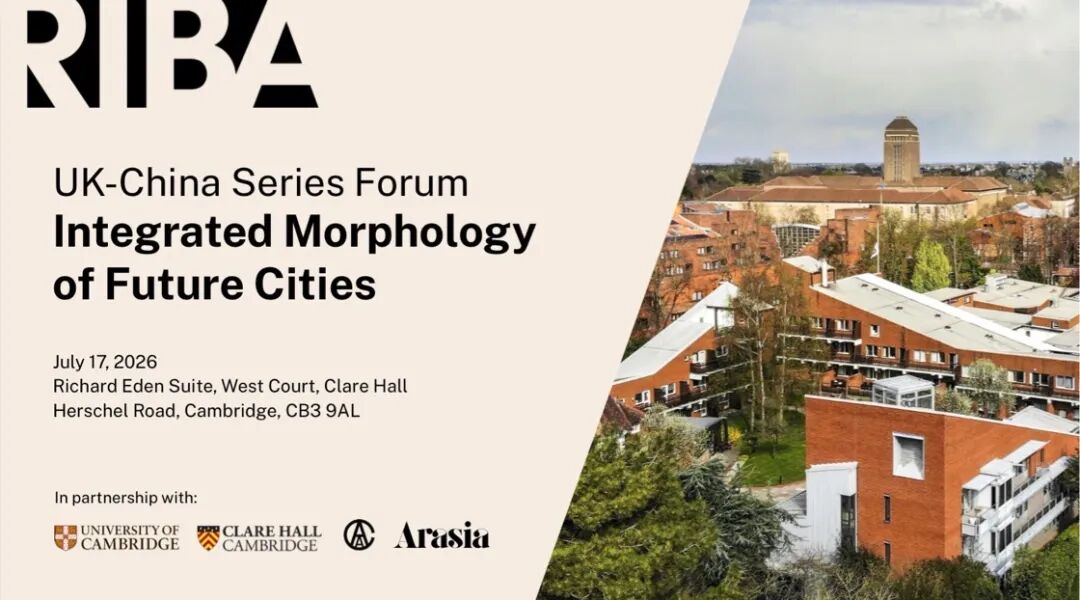
Launched by RIBA, the RIBA UK–China Forum is a cross-cultural platform for dialogue that seeks to advance architectural innovation and global architectural discourse, while helping to shape the future of design. Under the theme “Integrated Morphology of Future Cities,” this year’s forum brought together architects, designers, academics, and industry representatives from China and the UK to explore how architecture can establish sustainable spatial connections across different scales and systems, while responding to complex programme requirements, long-term adaptability, local culture, and public life.
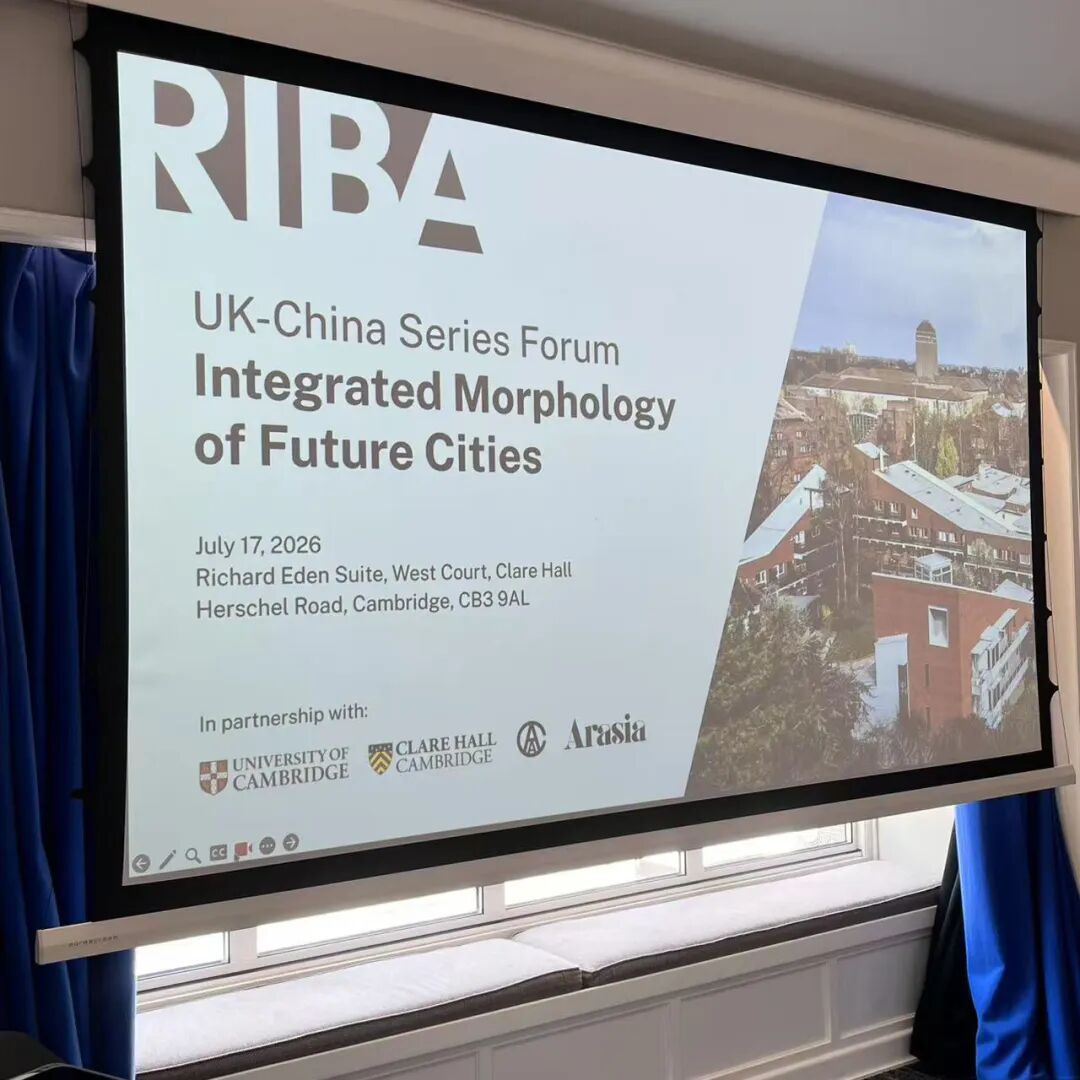
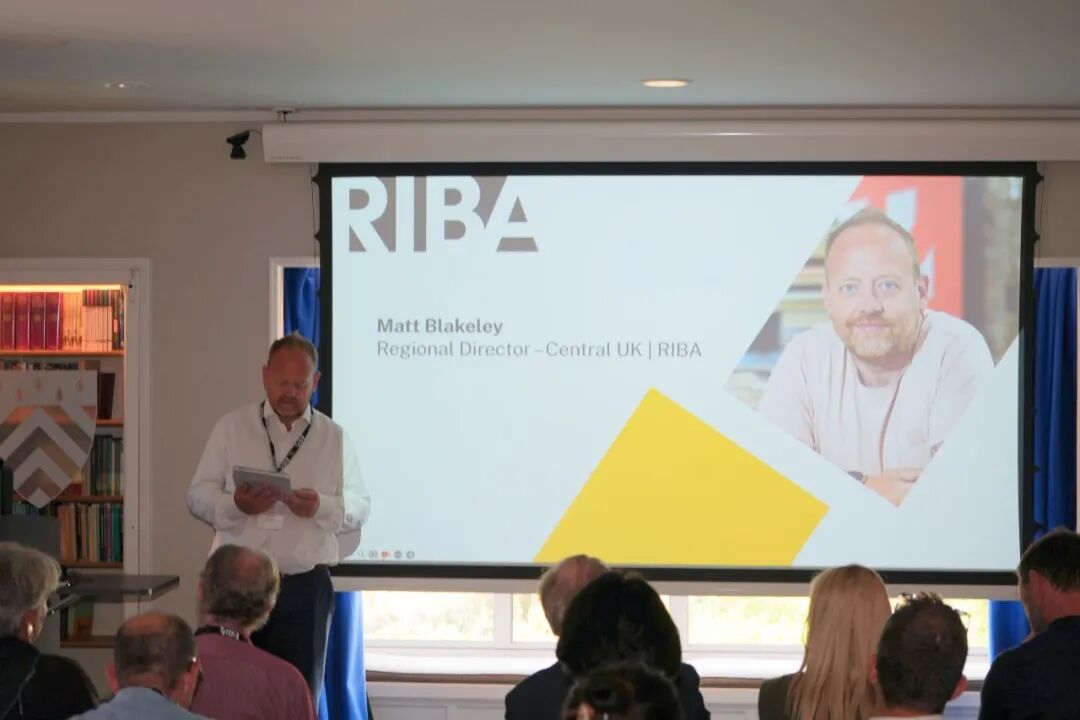
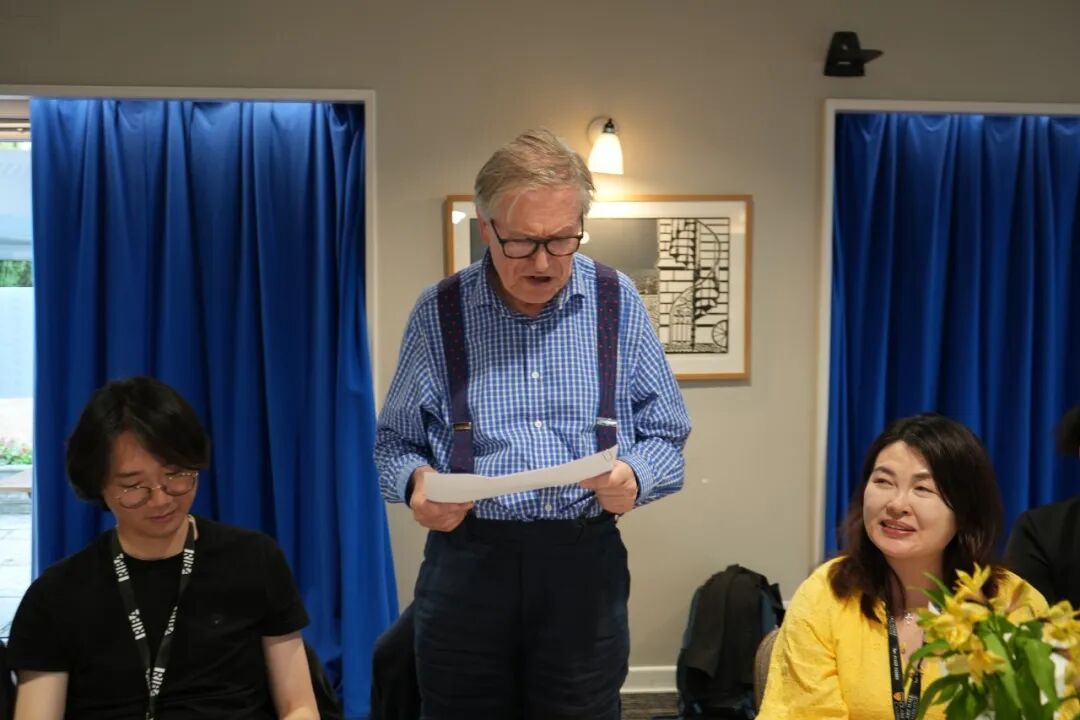
The forum was moderated by Matt Blakeley, RIBA Regional Director for Central UK. Professor Alan Short, President of Clare Hall, University of Cambridge, and Matt Blakeley delivered the opening remarks. Institutions represented on the UK side included RIBA, the University of Cambridge, Perpendicular Architecture, Allies and Morrison, Jestico + Whiles, and HTA Design; those on the China side included line+, YANG & Associates Group, and weico architects. Bringing together architects, designers, academics, and industry representatives from a range of professional backgrounds, the forum addressed topics spanning architectural design, urban development, professional practice, research, and education.
In his lecture, titled “THE POETIC AND THE CYBERNETIC: From Duality to a Handcrafted Habitat,” Zhu shared his reflections on contemporary architectural practice in China. As the country enters a new phase in which urban development is shifting from rapid expansion and new construction towards urban renewal, changing ways of living, and technological iteration, he argued that architecture should no longer be understood merely as a built object, but as a medium for organising relationships.
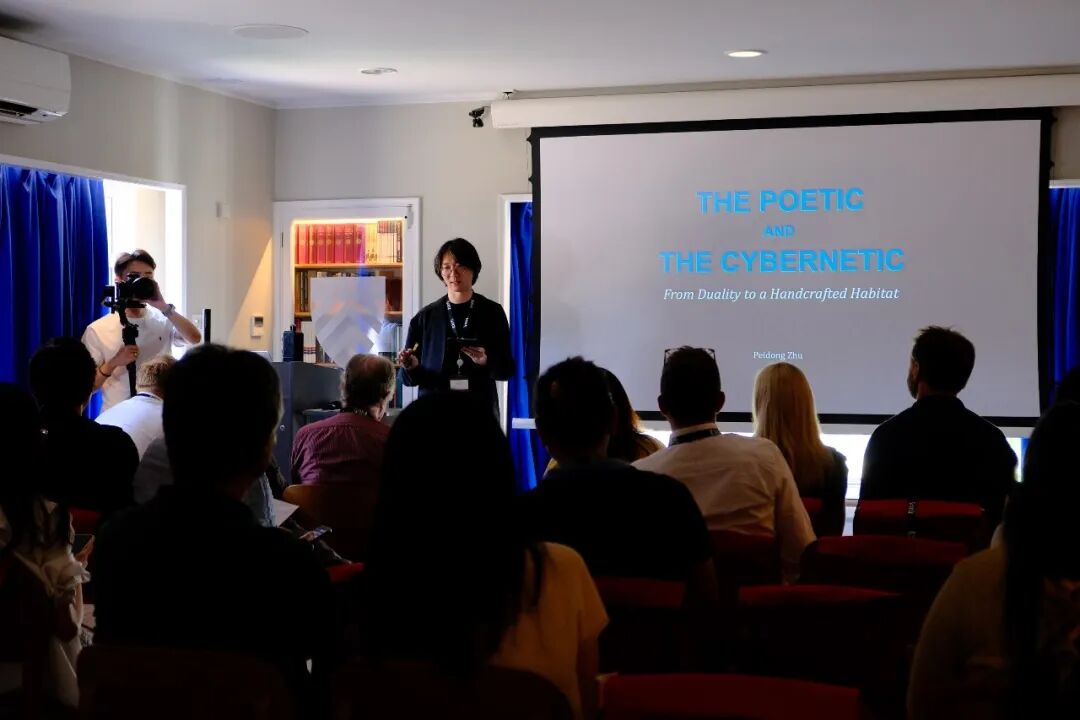
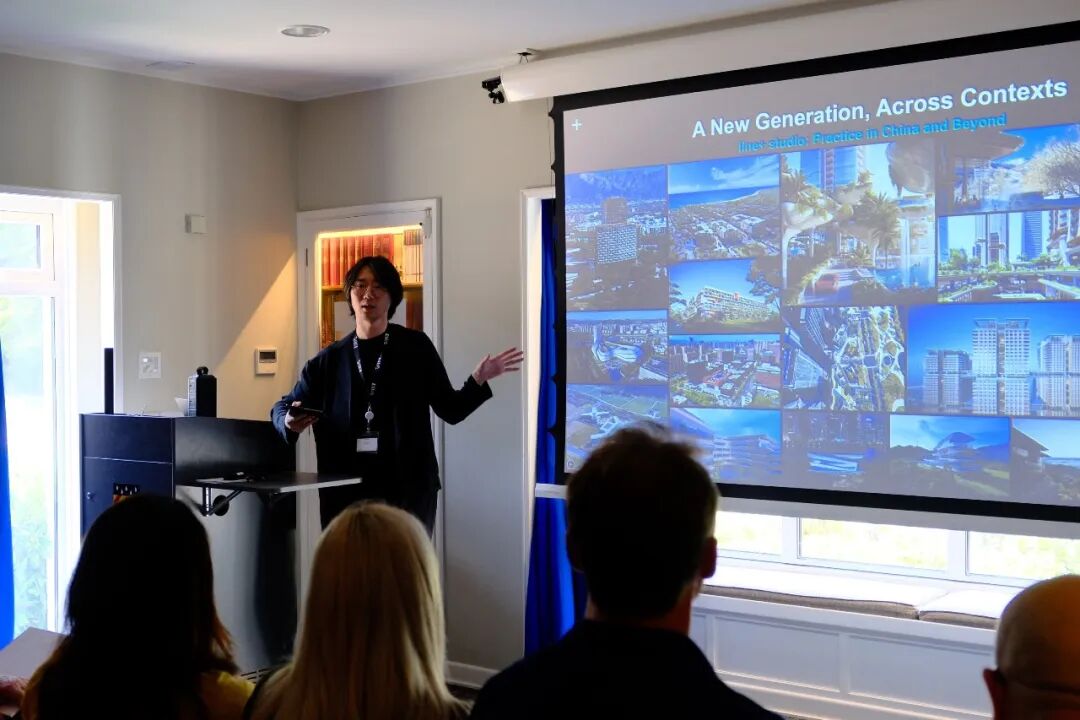
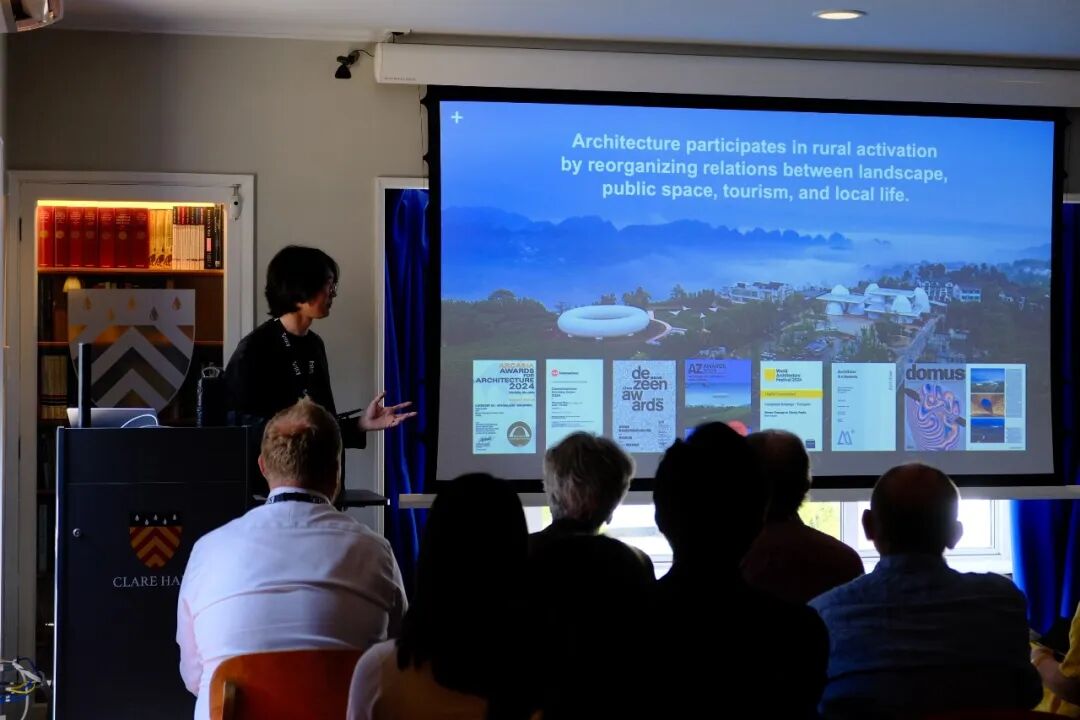
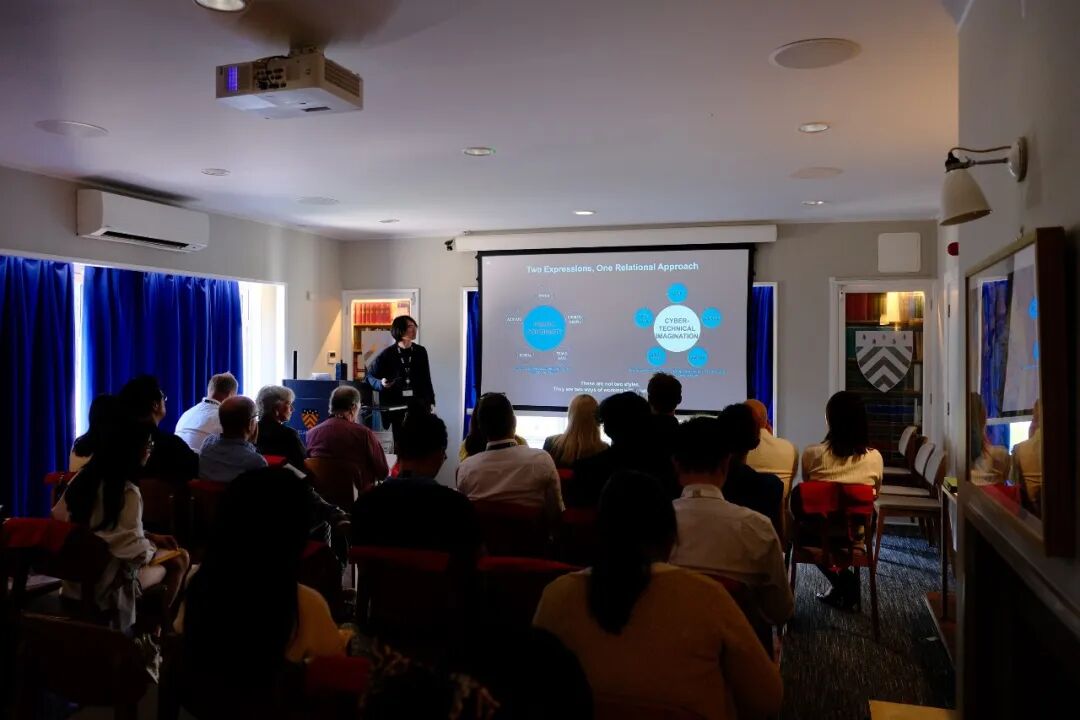
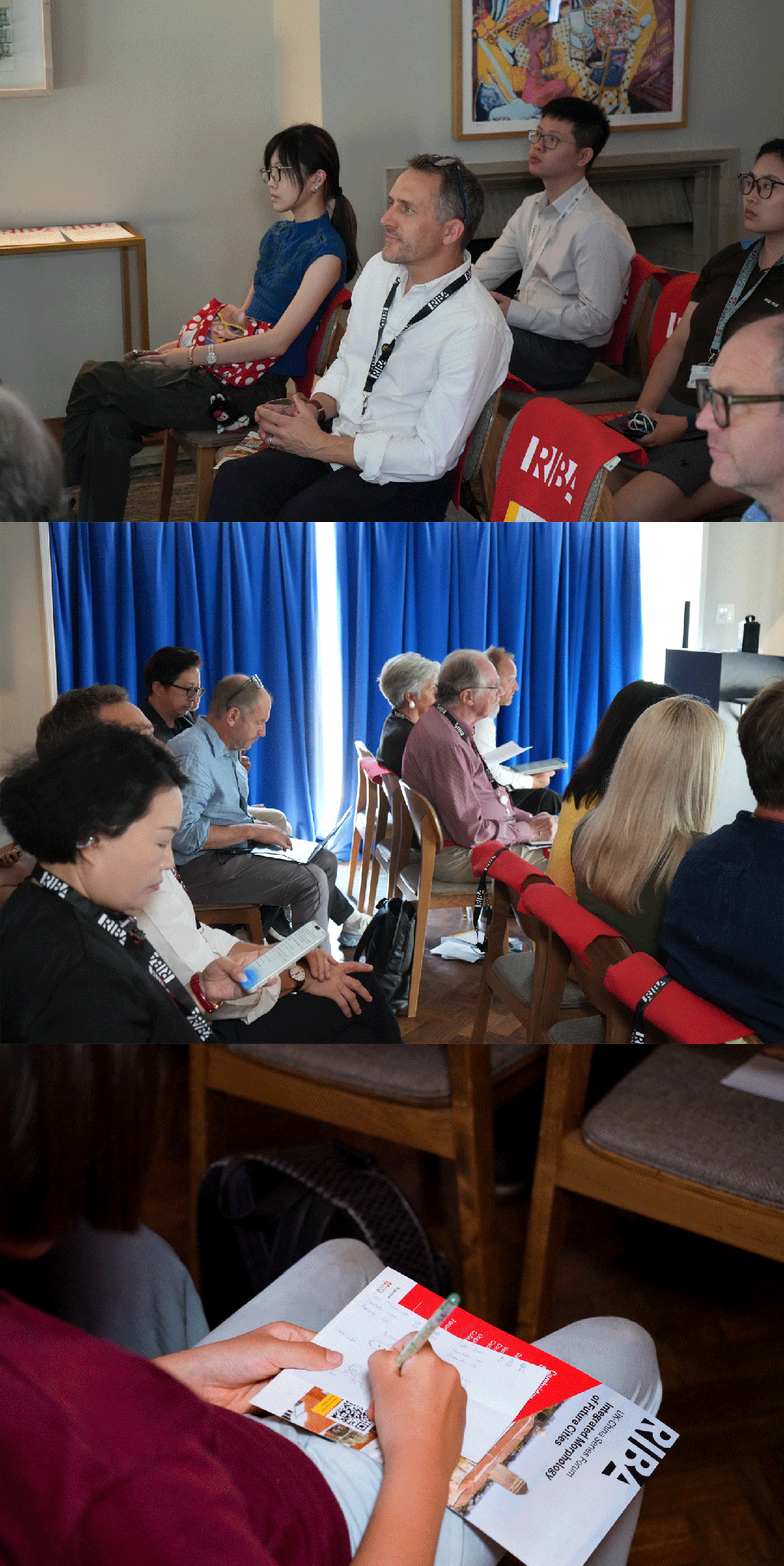
The lecture unfolded through two lines of inquiry: Poetic Continuity and Cyber-Technical Imagination. The former considers how architecture can extend relationships between people and nature, time, memory, and place; the latter examines how kinetic mechanisms, digital technologies, and embodied perception can work together to generate new spatial experiences and public events. In high-density urban contexts, Handcrafted Habitat integrates the two into a living environment that is perceptible, experiential, and capable of sustained long-term operation, ultimately pointing towards an Architecture of Relations for future cities.
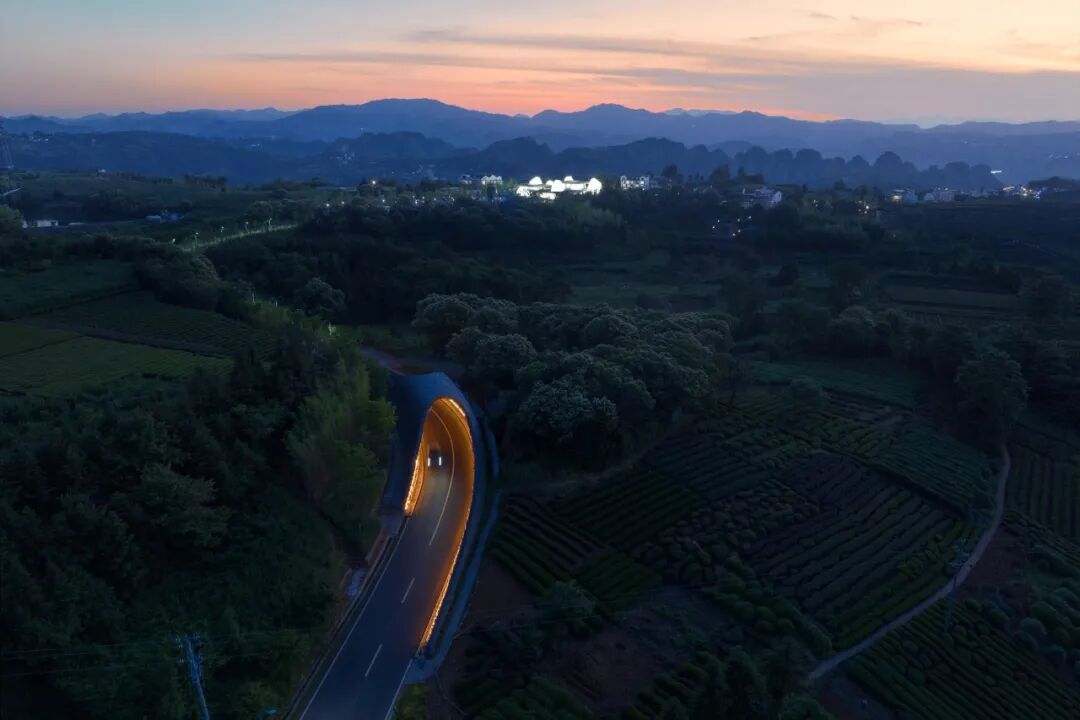
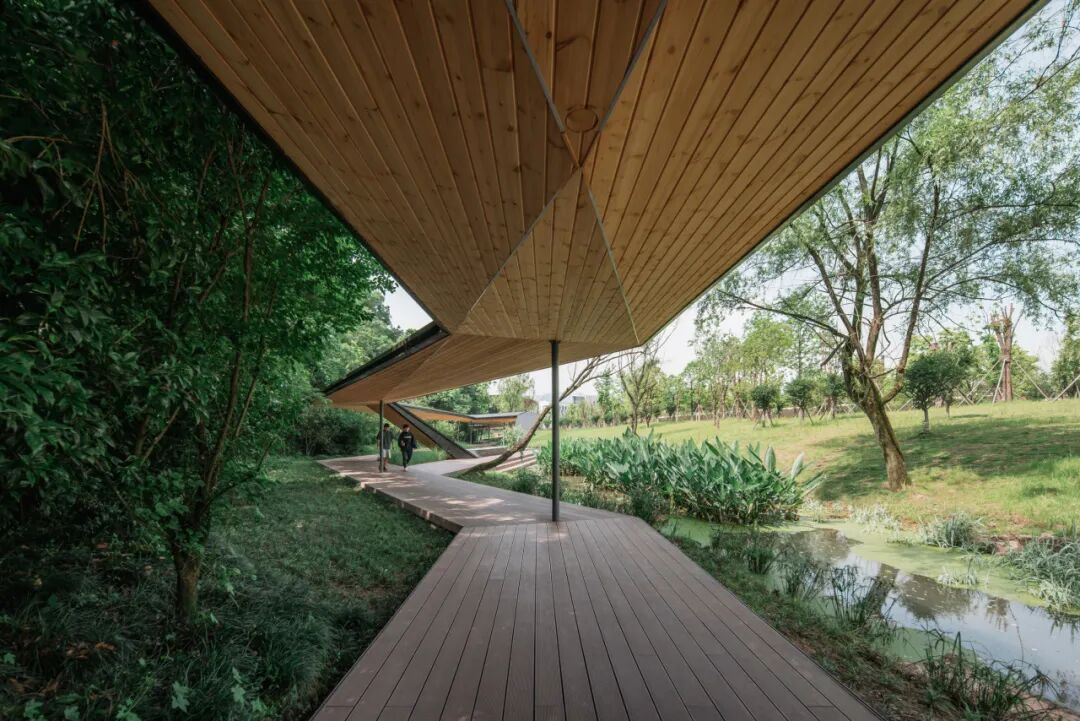
△ Poetic Continuity: Xiayanbei Village Practice and Floating Cornice on the Brook (swipe to view)
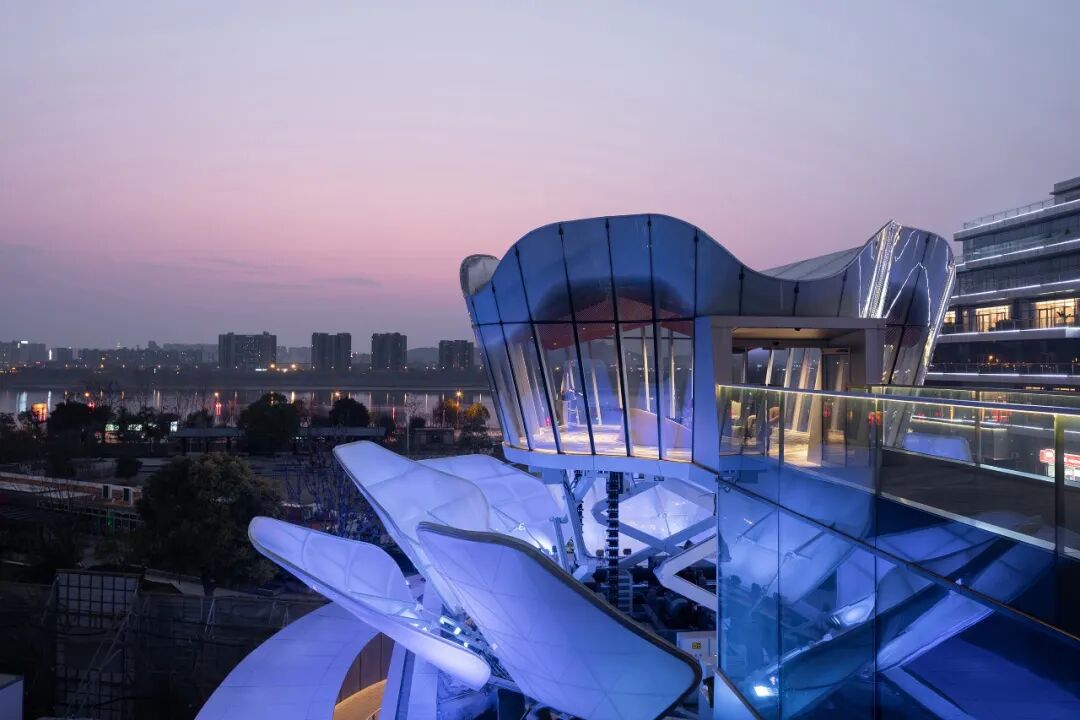
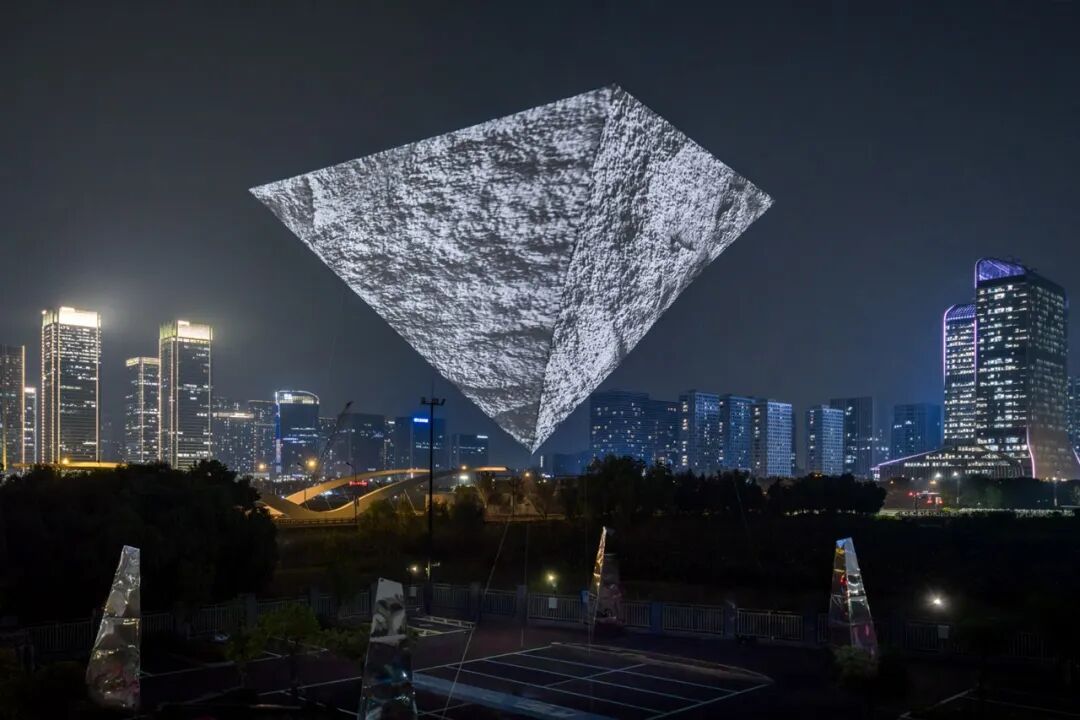
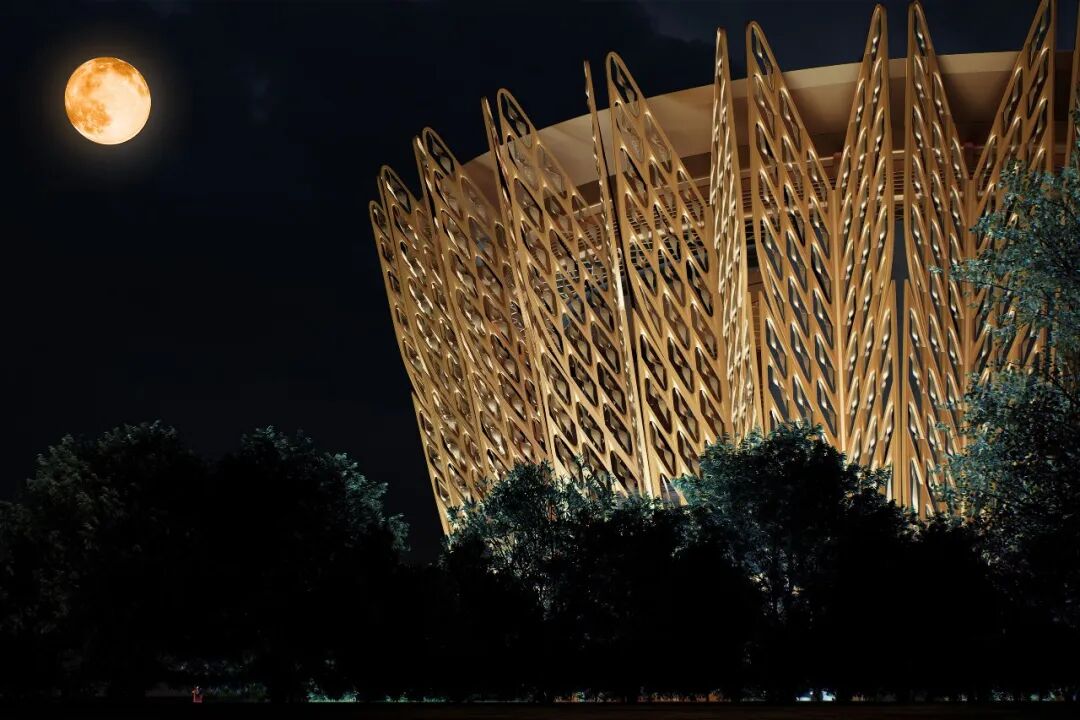
△ Cyber-Technical Imagination: Lotus by the Xiangjiang River, Future Cloud Coordinate, and Ningbo Minghu Flower Crown (swipe to view)
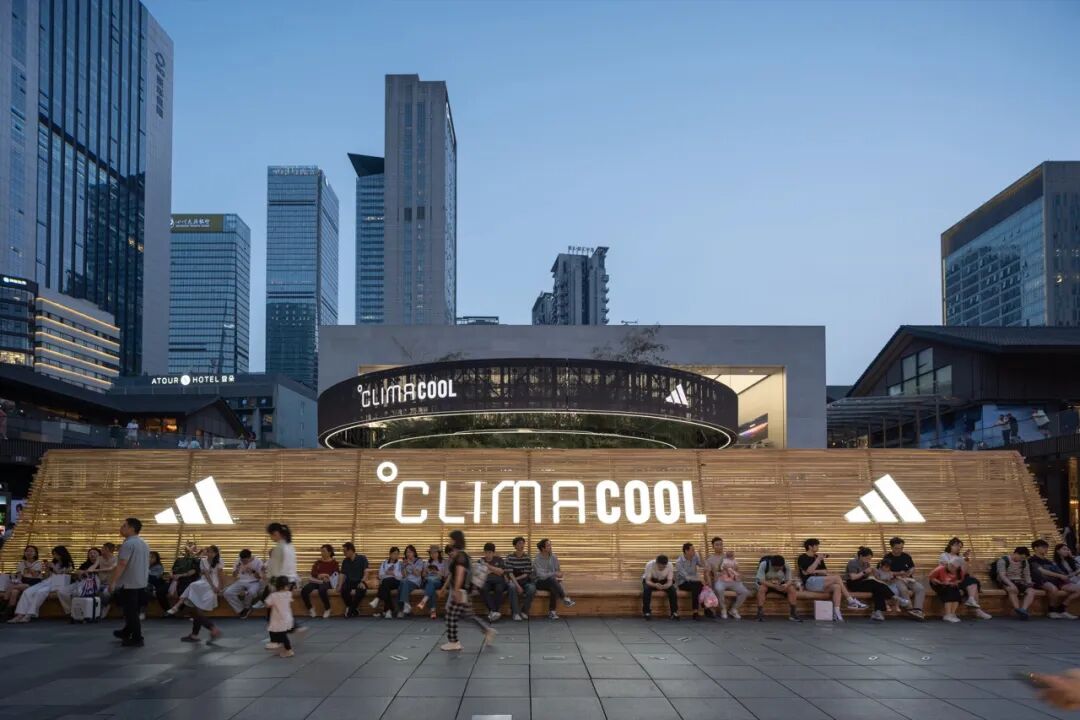
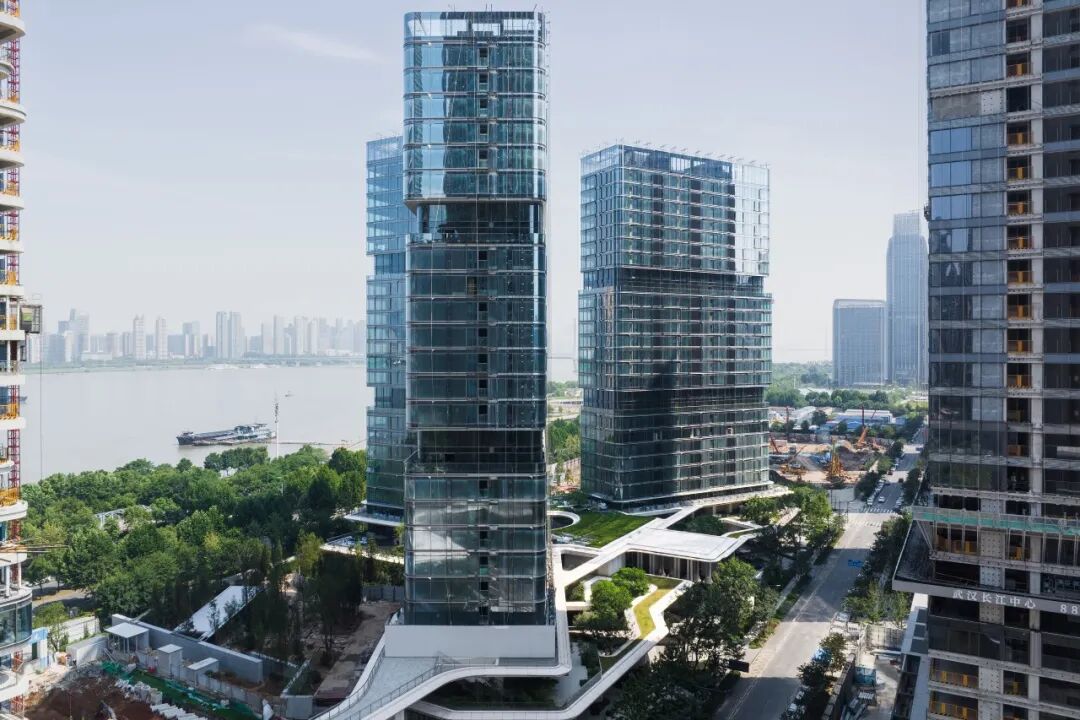
△ Handcrafted Habitat: Climacool Teahouse and Great Yangtze River (swipe to view)
The panel discussion was moderated by Patrick Usborne, Director of Perpendicular Architecture and Chair of the Cambridge Association of Architects. Peidong Zhu was joined by Joanna Bacon, Managing Partner at Allies and Morrison; Francé Davies, Director of Development at Clare Hall; and Bangsheng Yang, Founder and Design Principal of YANG & Associates Group.

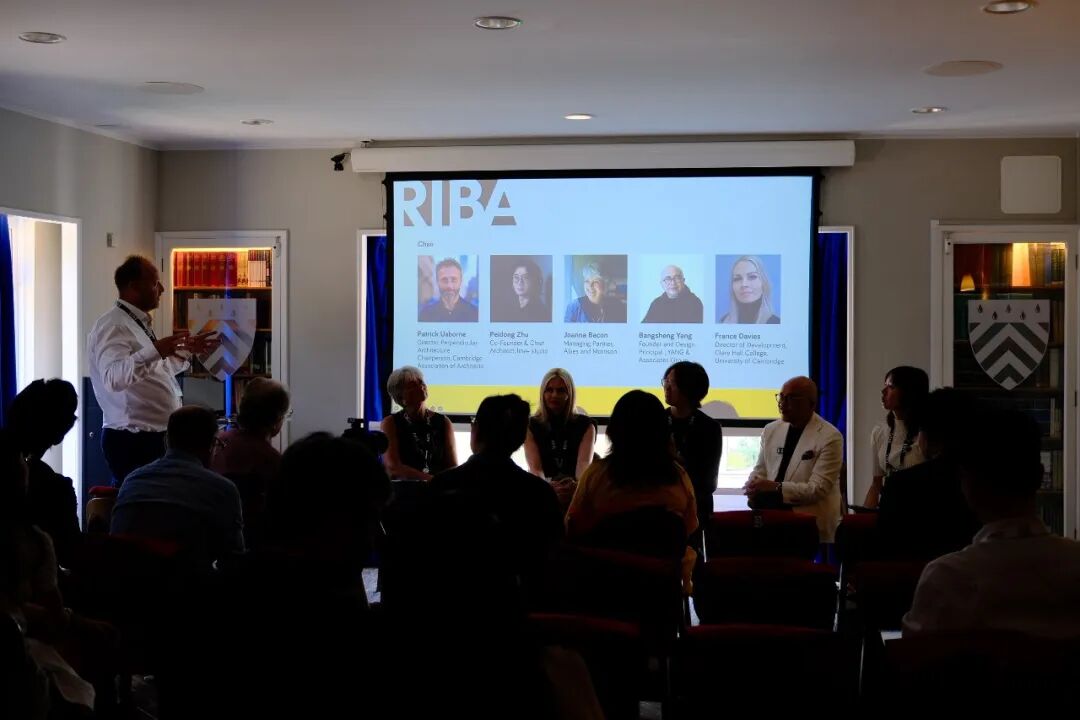
Building on Dr Zhu’s explorations of scenario configuration and dynamic technologies, the moderator posed a central question: how can designers establish genuine adaptability within mixed-use districts while avoiding generic spaces, over-engineering, or disconnection from local cultural life?
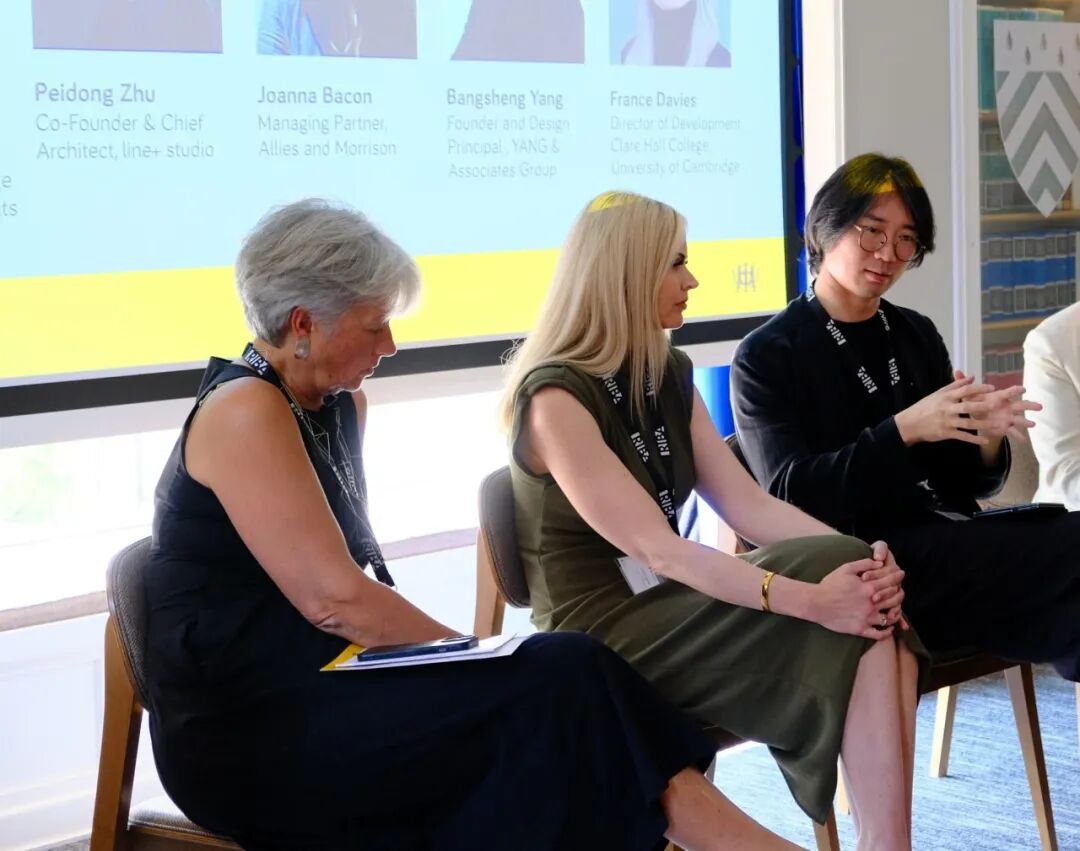
Zhu outlined line+’s working method, grounded in interdisciplinary research and cross-professional collaboration. At the outset of each project, the team studies local culture, everyday life, the public realm, and user needs. These findings are considered alongside development conditions and operational models, allowing scenarios associated with different user groups, times of day, and activities to be translated into spatial organisation. For Zhu, technology is not a predetermined answer; it should respond to specific problems and changing realities. Changes in architectural form or state are only a means of realising spatial value, rather than an end in themselves.
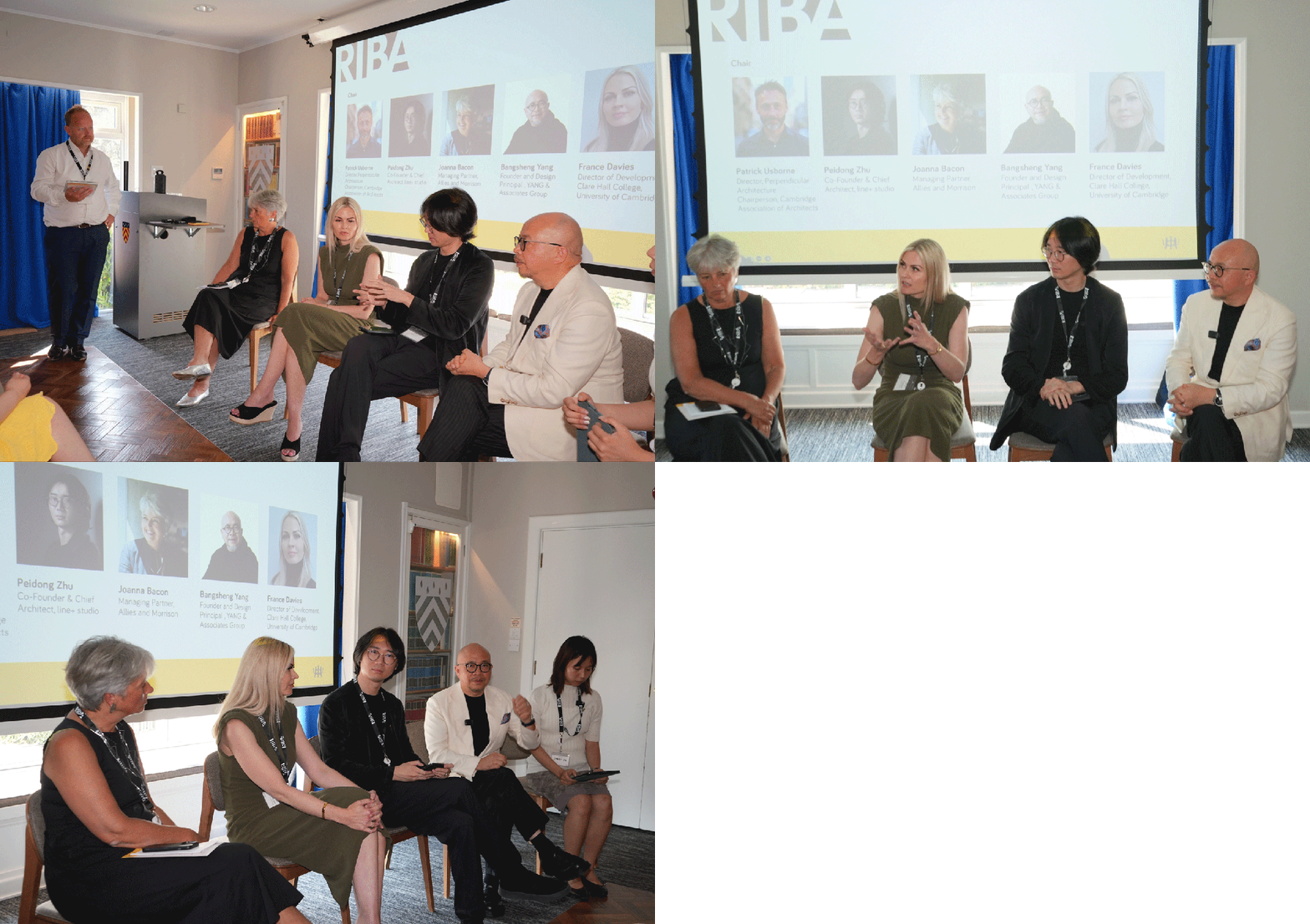
Working across China’s rapidly changing urban and rural contexts, line+ continues to confront issues such as high density, mixed-use complexity, shifts in local culture, and long-term operation. Through the Cambridge exchange, line+ brought observations and methods developed through practice in China into an international conversation, joining UK peers in discussing contemporary urban questions including technological transformation and spatial adaptability.
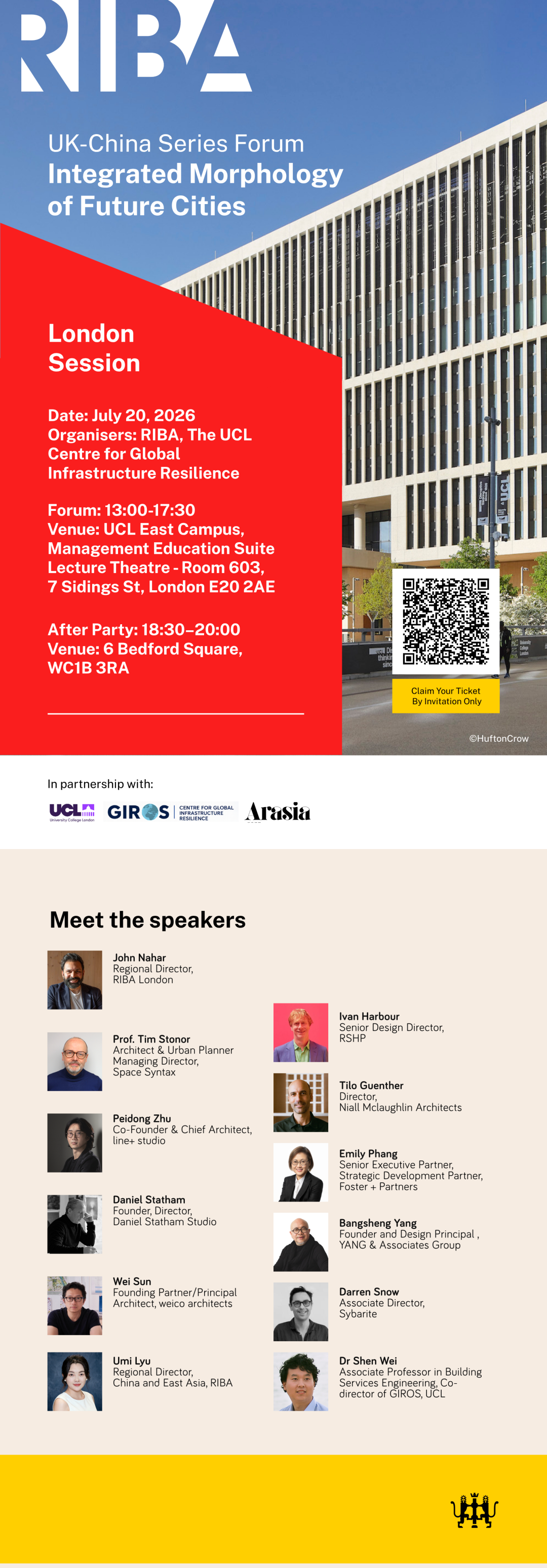
The RIBA UK–China Series Forum – London Session will take place at UCL at 1:00 pm on 20 July 2026. Peidong Zhu will also deliver a lecture and participate in a panel discussion.